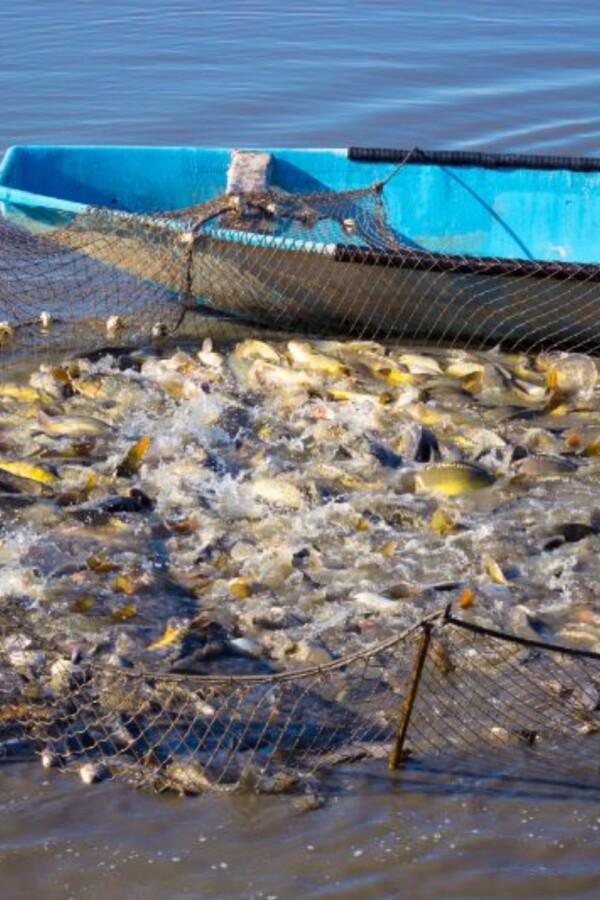
Overfishing is a global problem that threatens ocean ecosystems. There are many reasons and effects associated with overfishing, but there’s one thing we know for sure: the consequences are severe. In this article, we’ll look at what overfishing is and how it affects marine life as well as humans.
Overfishing is a major problem all over the world. Conservation of fish populations is essential for sustainable fishing. Farmed fish can help to reduce the pressure on wild fish stocks, but they must be managed carefully to avoid environmental problems.
What is overfishing?
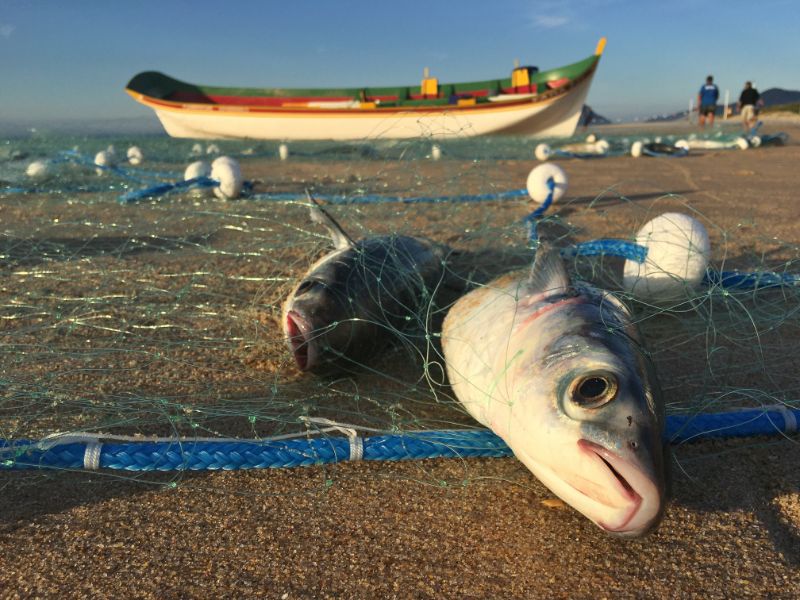
Overfishing is the act of catching fish from the ocean at a rate that is faster than the fish can reproduce. It’s often a result of fishing activities that are not sustainable, causing populations to diminish or even disappear altogether. Overfishing can lead to the depletion of a species, making it more difficult for marine life to recover from such an event in future generations.
Can we stop overfishing?
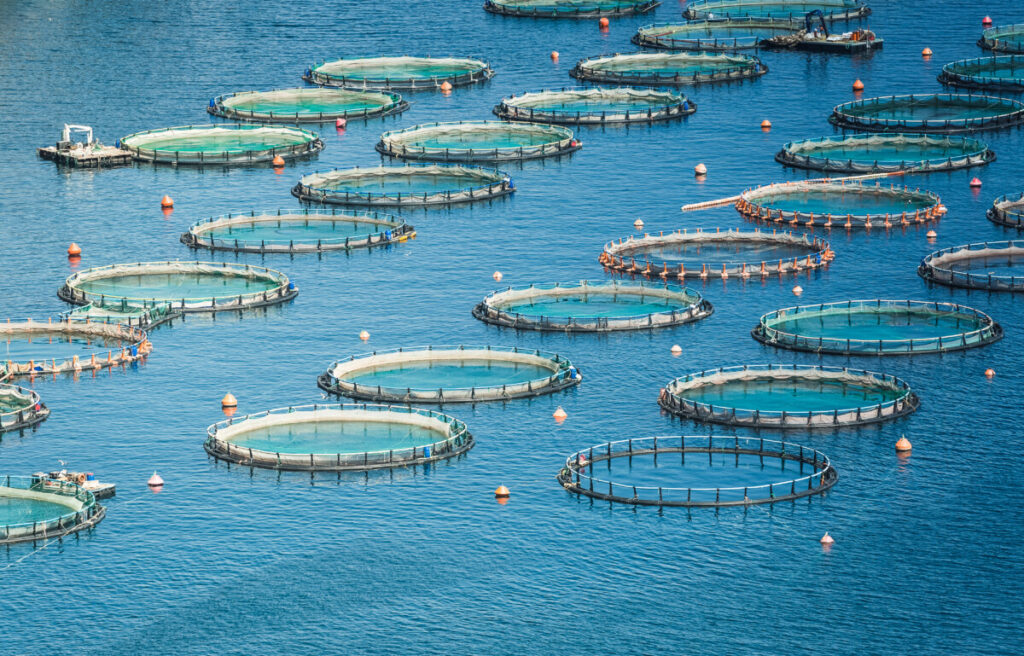
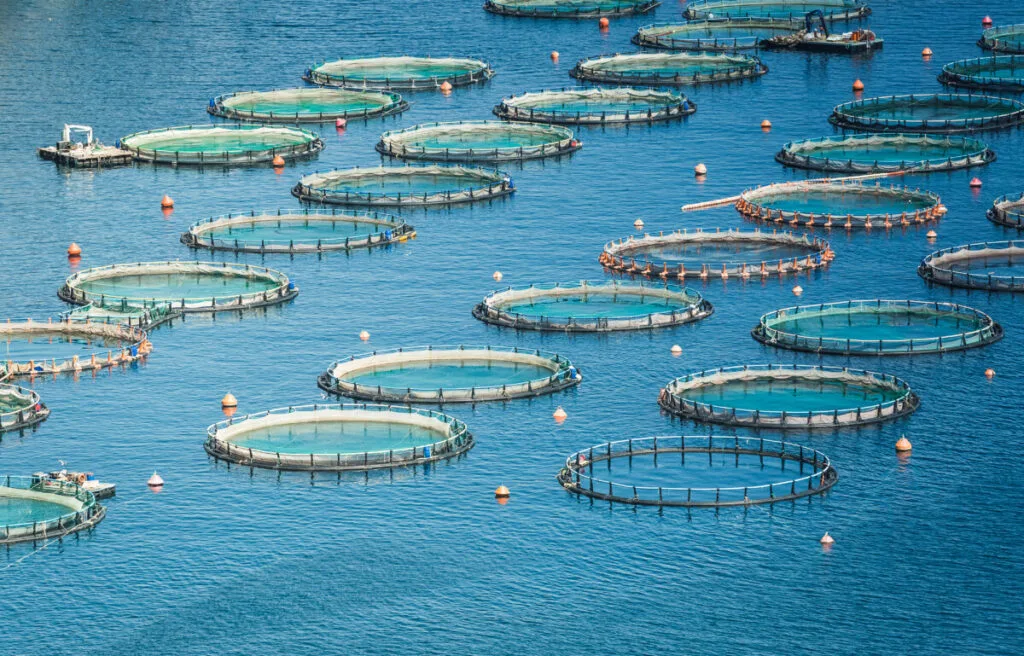
It is possible to stop overfishing, but it won’t be easy. The main reason for overfishing is that fish are a renewable resource, and there is no incentive to conserve them. The other reason is that subsidies make it cheaper to fish than it should be. If we want to stop overfishing, we need to end harmful subsidies and create incentives for conservation.
One way is to require companies to pay for the right to fish in an area. This would create an incentive to fish only where it is sustainable. Another way to create an incentive for conservation is to allow companies to trade fishing rights so that they can fish in areas where it is most sustainable.
Which Countries Are Overfishing?
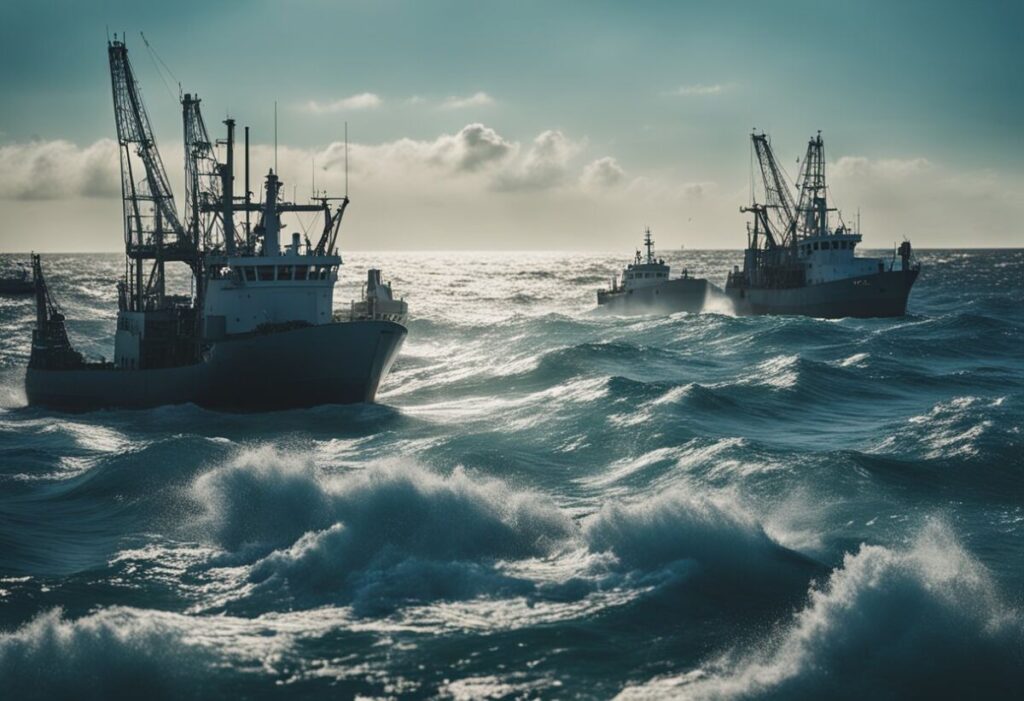
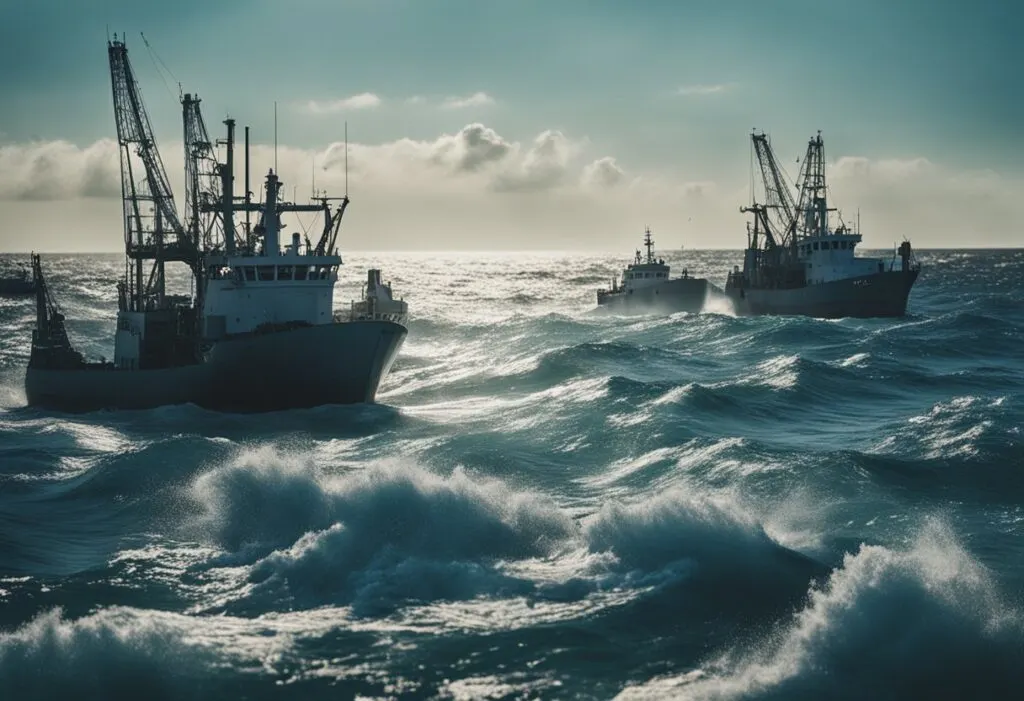
Overfishing is a problem in many countries around the world. Fish are being caught at unsustainable levels, often encouraged by harmful subsidies. Bluefin tuna is one of the most overfished species, with over 80% of the global catch being caught in just three countries: Japan, Taiwan, and China. This has led to the severe depletion of tuna stocks and devastating effects on the ecosystem. Cod is another example of a species severely impacted by overfishing.
Once plentiful in the North Atlantic, cod stocks have declined dramatically due to overfishing. The collapse of the cod fishery in the 1990s had a devastating effect on the fish market and the communities that depend on it.
What Contributes to Overfishing?
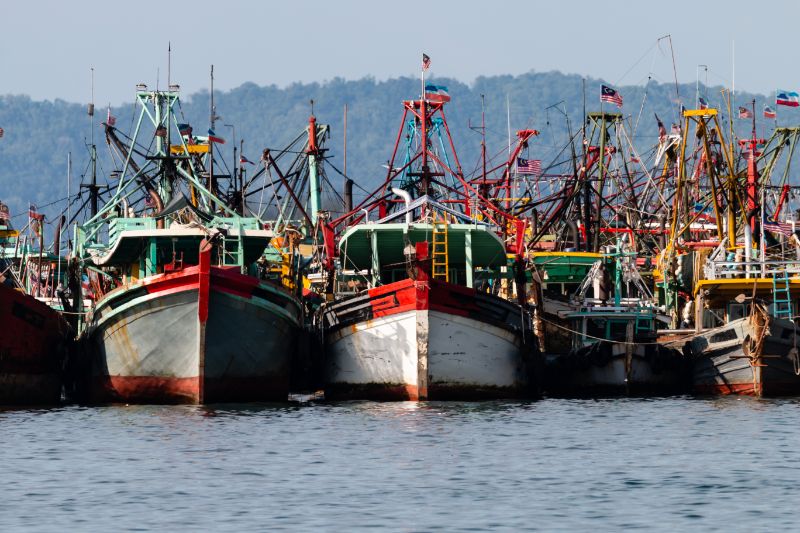
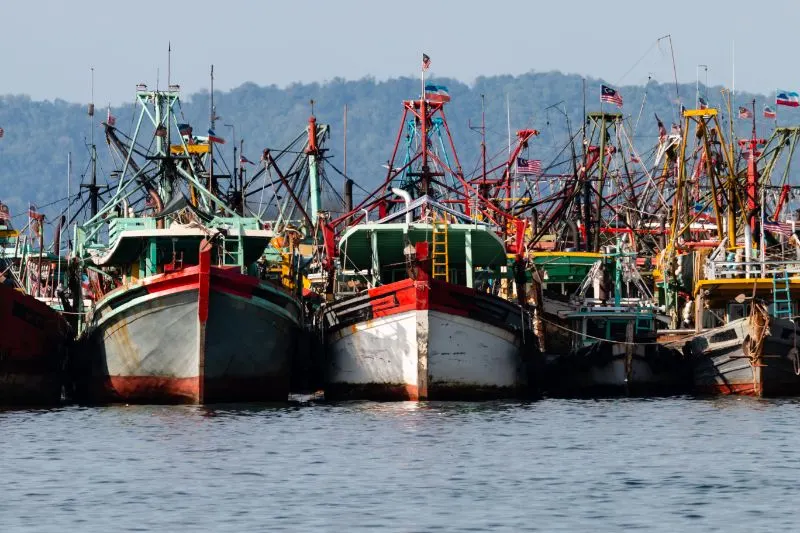
Overfishing occurs when fish are caught at a rate faster than they can reproduce. This can happen for a number of reasons, including:
- Using too many fishing fleets and boats
- Using too much fishing gear
- Illegal fishing
- Destructive fishing practices such as catching fish that are too small or too young or doing unreported fishing
- Destroying fish habitat
Overfishing can have serious consequences for fish populations, including declining numbers, genetic changes, and local extinctions. It can also disrupt the entire ecosystem, as well as the livelihoods of people who depend on fishing for their income.
Overfishing examples
Overfishing examples of fish include Florida red snapper, Chilean sea bass, and Atlantic cod. The Florida red snapper has seen its population fall by 75% since the 1960s due to overfishing; this species is now listed as threatened under the Endangered Species Act.
The Chilean sea bass was once plentiful off the coast of Chile but was exploited for food by commercial fishermen until its population dropped by 80% between 1970 and 2002. Atlantic cod were once an abundant species in New England waters, but their numbers have been reduced to about 1% of what they were before overfishing began in earnest during the 19th century.
In addition to these familiar types of seafood that we eat regularly at dinner tables around the world (and from which we derive omega-3 fatty acids), here are some less familiar ones:
Sea turtles
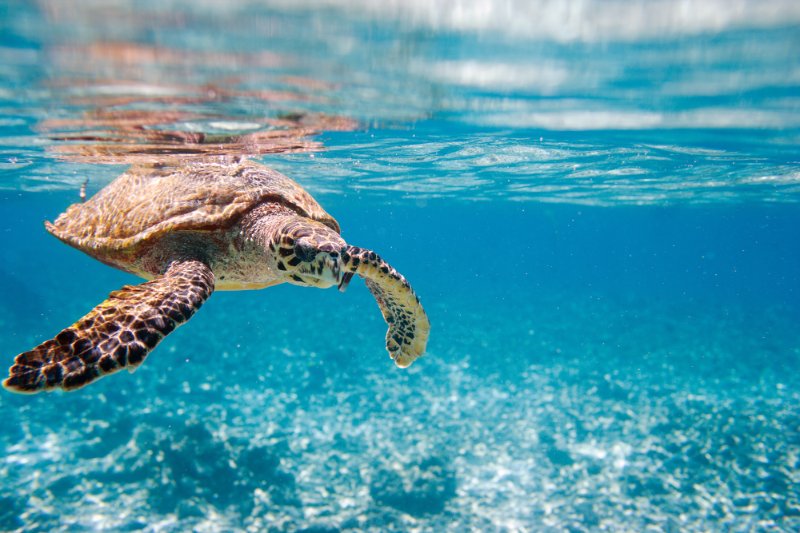
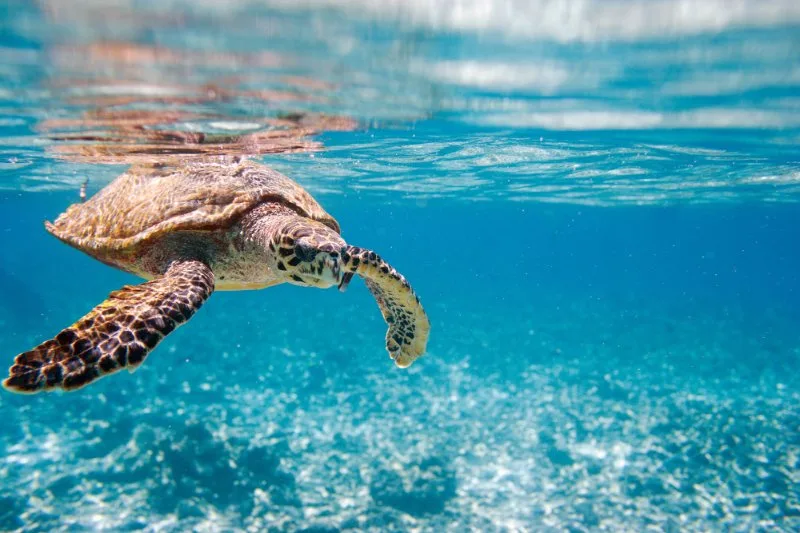
There are seven kinds worldwide—green sea turtles, loggerhead sea turtles, hawksbill sea turtles, leatherback sea turtles (which can grow up to seven feet long!), olive ridley sea turtles (the smallest at only two feet across), Kemp’s ridley sea turtles (the rarest with a single nesting site on North Padre Island Beach in Texas) and flatback green turtle (found along Australia’s northern coast).
All are threatened or endangered due to harvesting for meat or shells traditionally used in jewelry making (to make tortoiseshell jewelry such as bangles). They’re also hunted because they tend to come ashore at night when it’s easier to catch them than during daytime hours!
Sharks
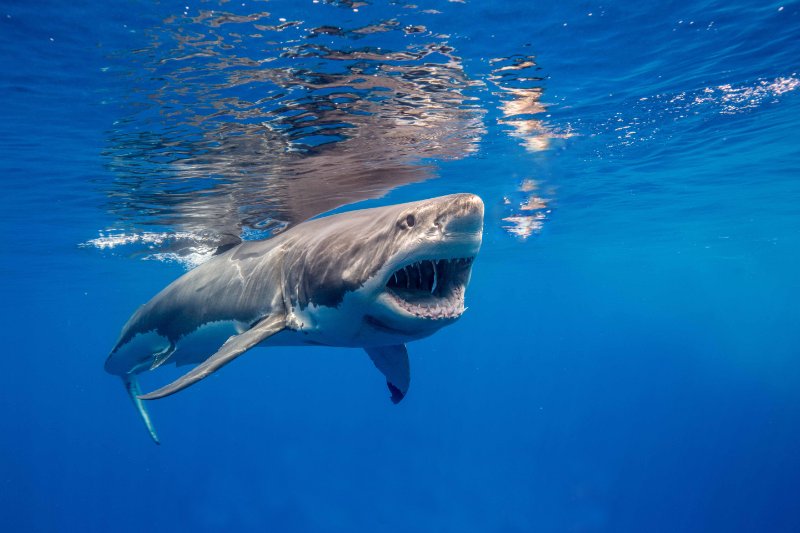
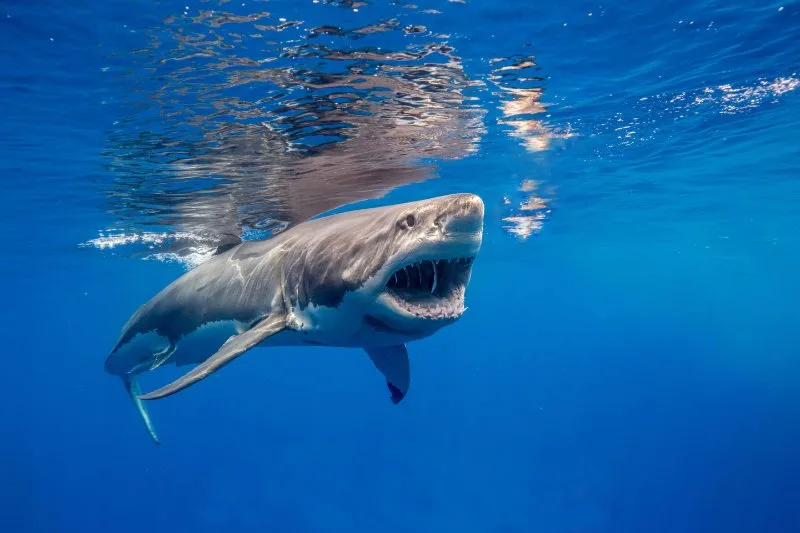
These predators of the sea have been around for 450 million years but are now being eradicated due to overfishing. Their fins are used in soup (a Chinese delicacy), while their meat is used for fish and chips as well as other seafood dishes. As a result, some populations have declined by up to 90% in the last 50 years.
Sturgeon
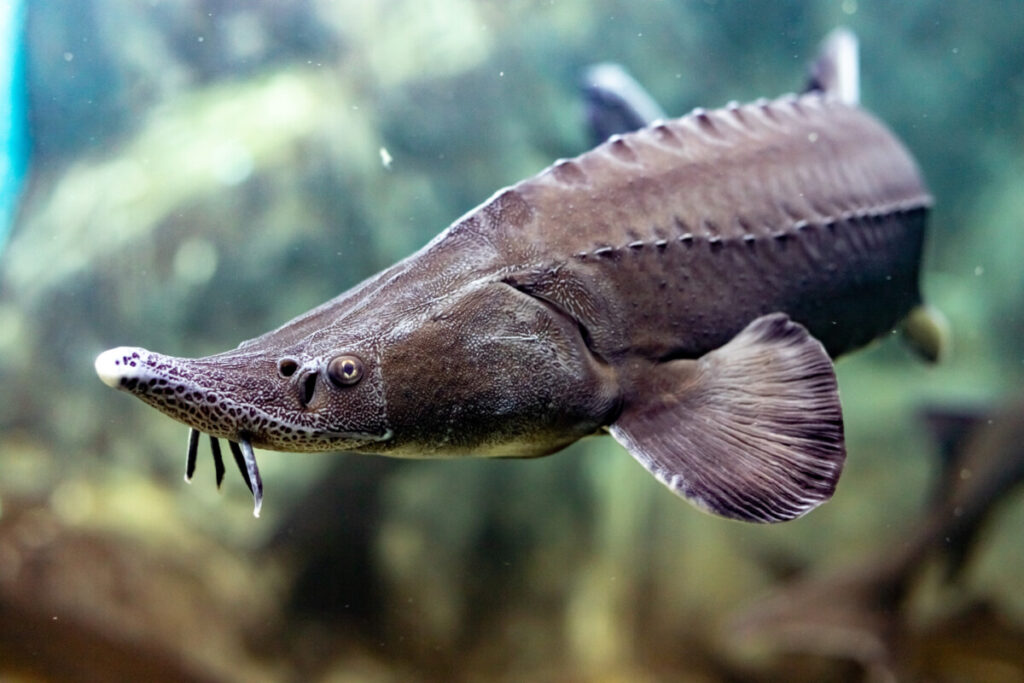
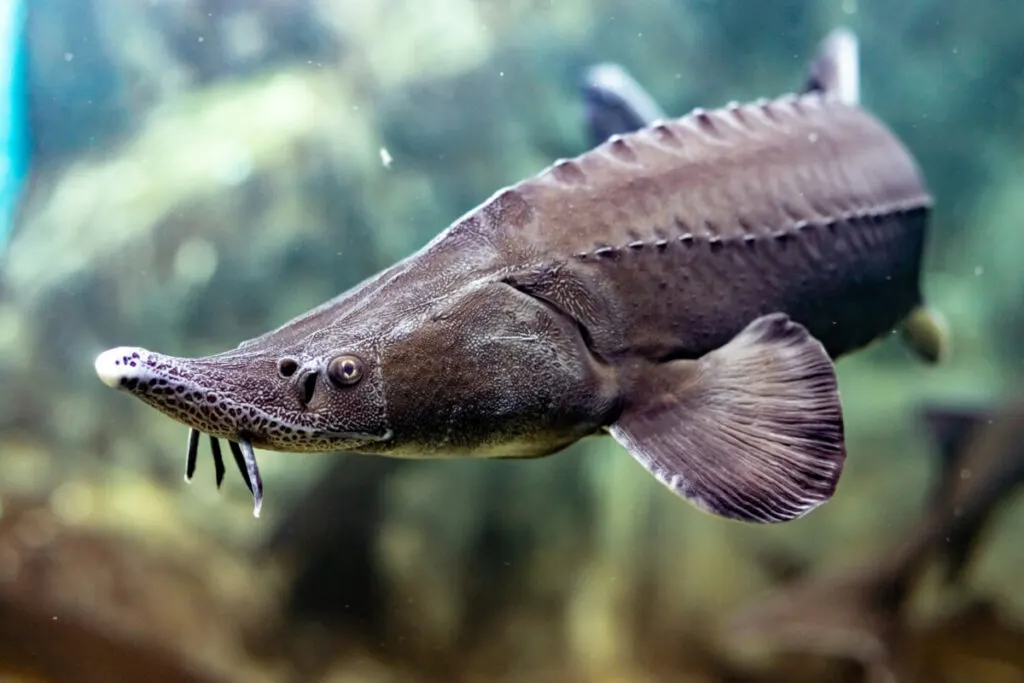
These anadromous fish (able to live in fresh and saltwater) are harvested for their eggs made into caviar. They’ve been around for over 200 million years but are now endangered due to overfishing. The largest sturgeon on record was a white sturgeon caught in Russia in the 1800s, weighing over two metric tons!
Effects of overfishing
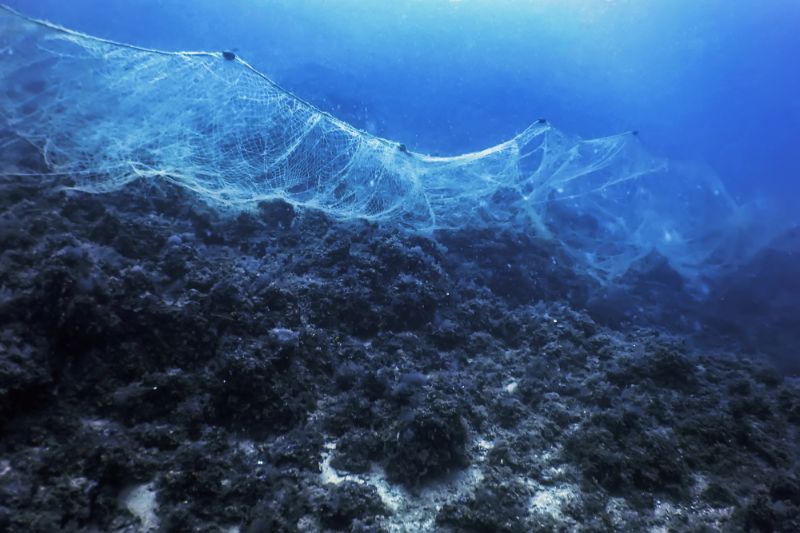
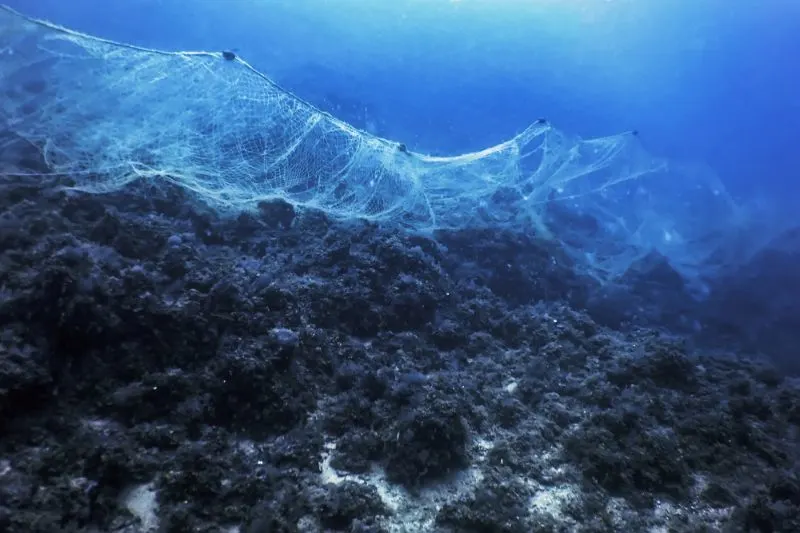
The effects of overfishing are devastating. It not only negatively impacts the fish populations, but also the livelihoods of those who depend on fishing for their livelihoods. Overfishing can lead to species extinctions, habitat destruction, and declining fish stocks.
This in turn can lead to food insecurity and economic hardship for coastal communities that rely on fishing for their livelihoods. In addition, overfishing can cause social disharmony as people compete for dwindling resources.
Habitat destruction
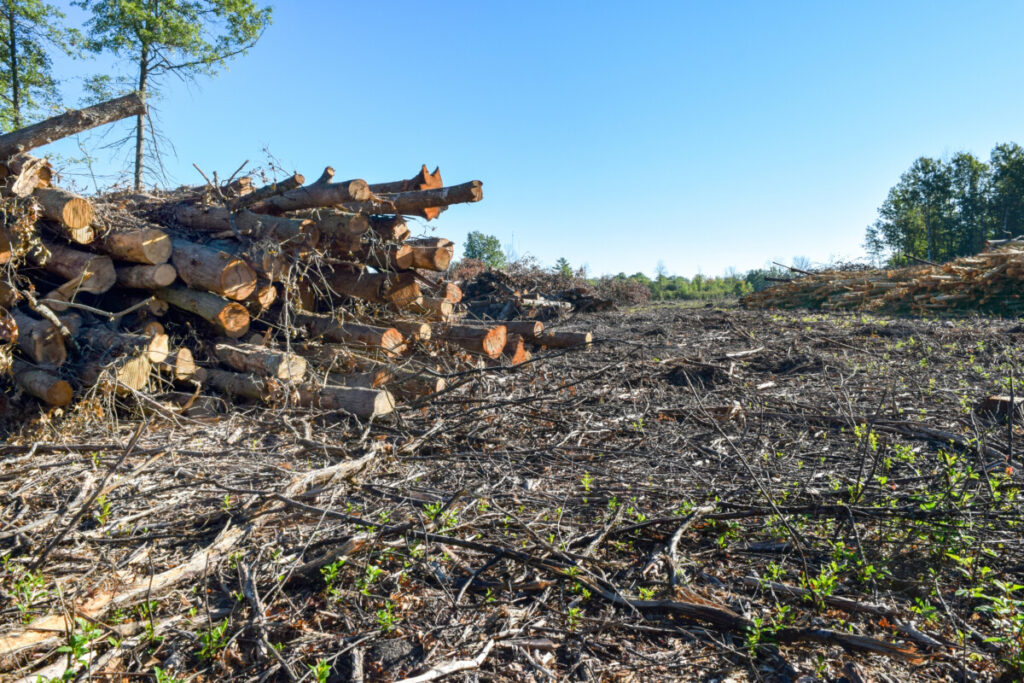
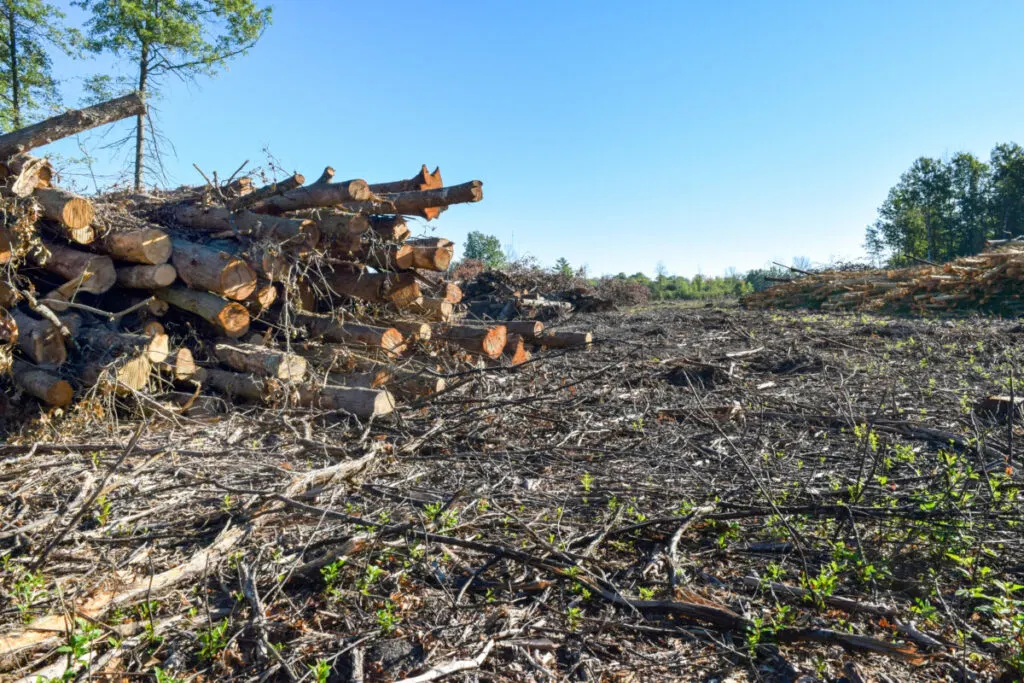
When fish populations decline, so do the habitats they rely on for food and shelter. This can cause entire ecosystems to unravel and lead to the loss of other species that depend on them.
Reduced catches
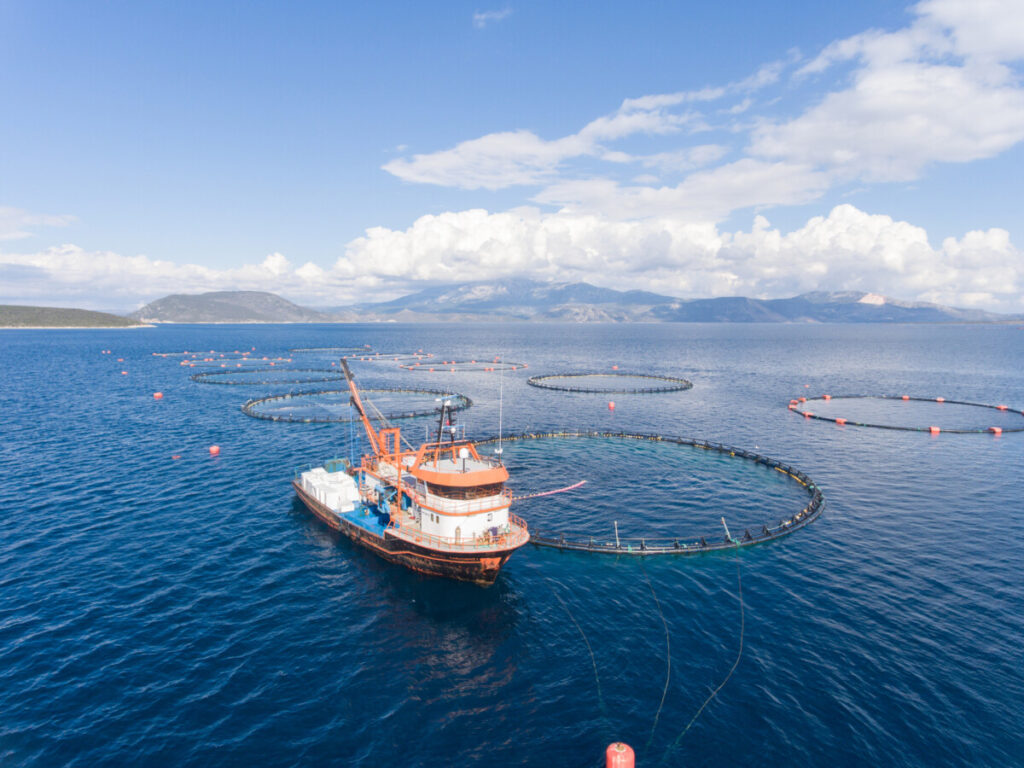
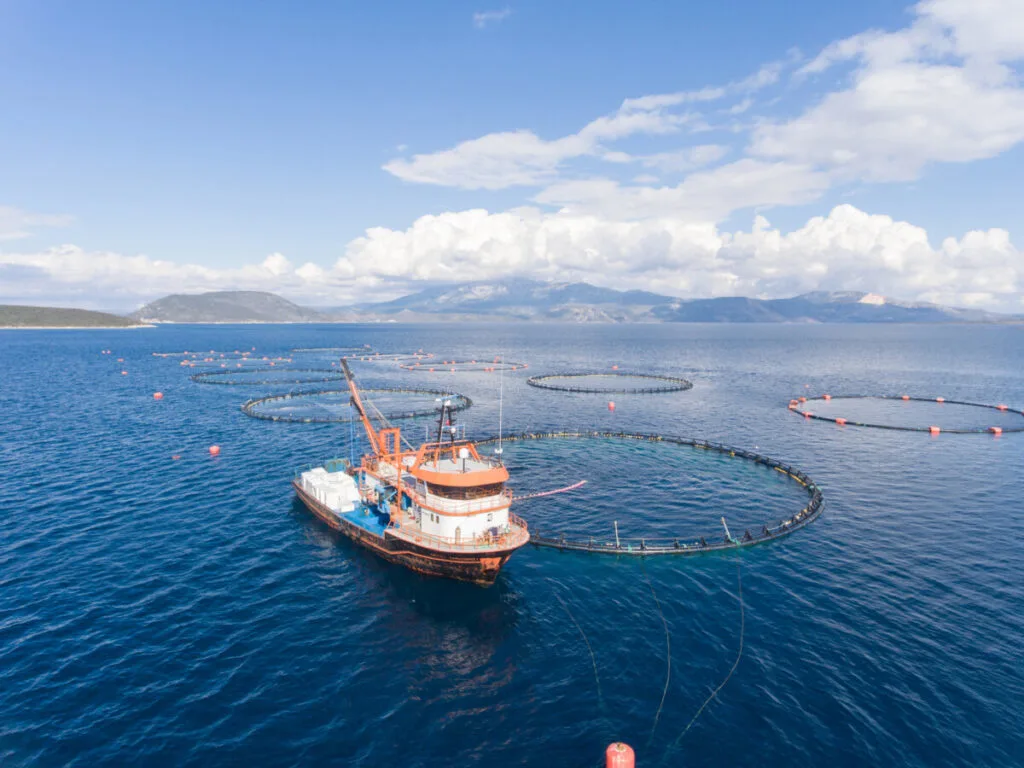
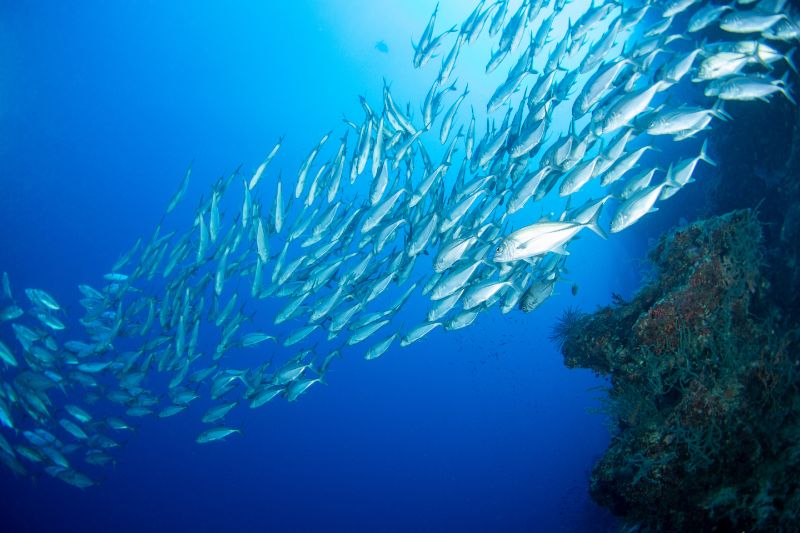
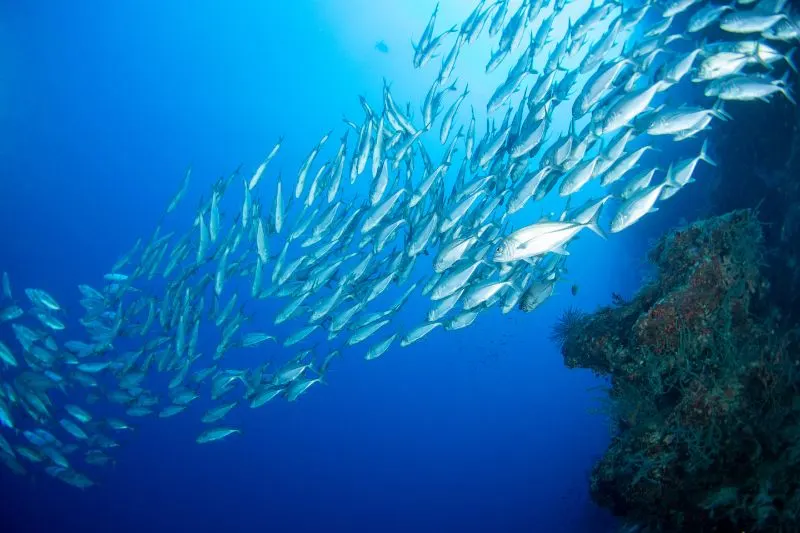
Overfishing reduces the overall yield of fish caught from the sea, affecting the livelihoods of fishermen and their families. It also impacts the economy as a whole, due to decreased revenues from the fishing industry and the loss of fish as a food source.
Increased costs


As fish stocks decline, fishermen are forced to travel further distances to find fish, which increases fuel costs. Additionally, the need to catch more fish to compensate for the decline in stocks leads to increased wear and tear on boats and equipment, raising maintenance and replacement costs.
Human health impacts


The loss of fish as a food source can have serious implications for human health, particularly in coastal communities where seafood is a staple diet. Additionally, overfishing can lead to the depletion of important species that provide valuable nutrients, such as omega-3 fatty acids.
Improper Aquaculture
Aquaculture is the farming of fish, shellfish, and aquatic plants. It can be a form of agriculture, but it differs from other forms in its use of wild animals to raise domesticated ones—in this case, aquatic organisms. Aquaculture can be both sustainable and unsustainable:
Sustainable aquaculture uses methods that do not harm the environment or marine life. These practices include using mesh nets to keep small fish out of enclosures; recycling water; avoiding chemicals like nitrogen fertilizers; and raising animals whose growth rate is similar to their natural predators (e.g., raising salmon so they grow slower than bears).
Unsustainable aquaculture practices include using antibiotics on farmed fish that are harmful to humans or releasing waste into rivers without filtering it first (which kills off nearby sea life).
Imbalance of Marine Ecosystems
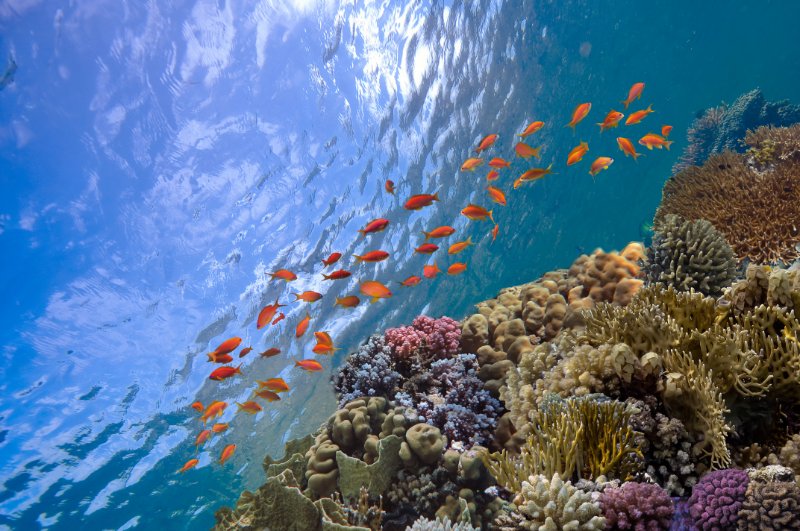
As you might expect, overfishing not only has financial implications for the fishing industry but also ecological ones. For example, when too many fish are caught and removed from an ecosystem, species that are important to maintaining an ecosystem’s balance can be depleted. The interaction between these “keystone” species and others in the ecosystem can cause a ripple effect. In other words, removing important species from an ecosystem could lead to unexpected shifts in populations or create a domino effect that will affect other parts of the system.
The Atlantic cod is a classic example of such a keystone species: it serves as food for predators like whales and seals, helps recycle nutrients through excretion because it eats algae (which absorb carbon dioxide), is host to many different types of parasites that help support marine food webs by providing nutrients to other organisms (such as crustaceans), and plays an important role in controlling phytoplankton growth by grazing on them during its juvenile stage.
If these particular fish were overfished continuously without limits set on how much could be caught each year then there might not be enough left for those predators or parasites anymore—and eventually, there wouldn’t even be any more algae!
We already see evidence today of fewer seal pups surviving due to lack of food; this has caused some concern about whether marine ecosystems may start experiencing similar problems due to overfishing soon enough unless action is taken against it before things get worse.
Rise of Endangered Species
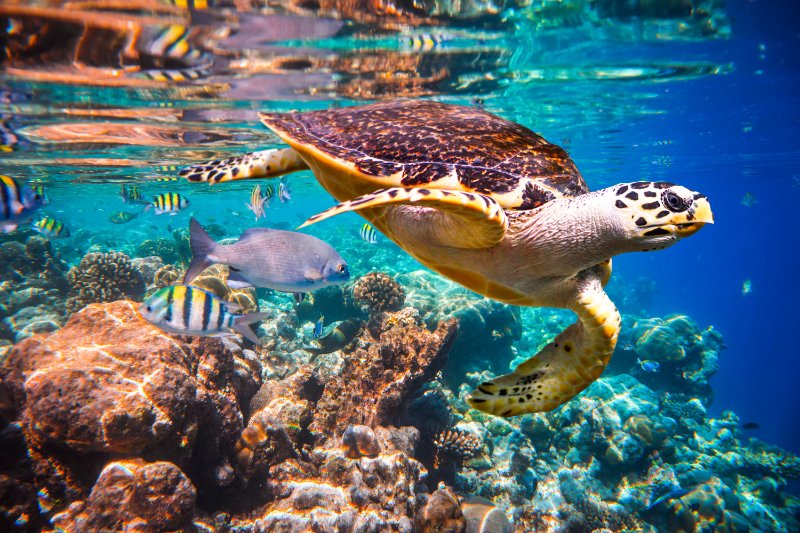
The rise of endangered species is a major concern when it comes to overfishing. Endangered species are at risk of extinction due to these practices. Overexploitation is a major cause of the endangerment and extinction of many marine organisms and impacts the overall fish population as well as several other terrestrial species.
Sometimes, it can cost more to harvest an endangered species than a non-endangered one. This is because there are more rules about how many you can catch, and people have to watch fishers more carefully. If people want to buy these things more, this could lead to overexploitation. This means that fishers would not be able to catch enough without breaking the law.
This situation could lead to catastrophic effects such as the collapse of entire fisheries, which would mean loss of livelihoods for many people across communities that rely on seafood as part of their diet or income sources.
Poor Coral Reef Health
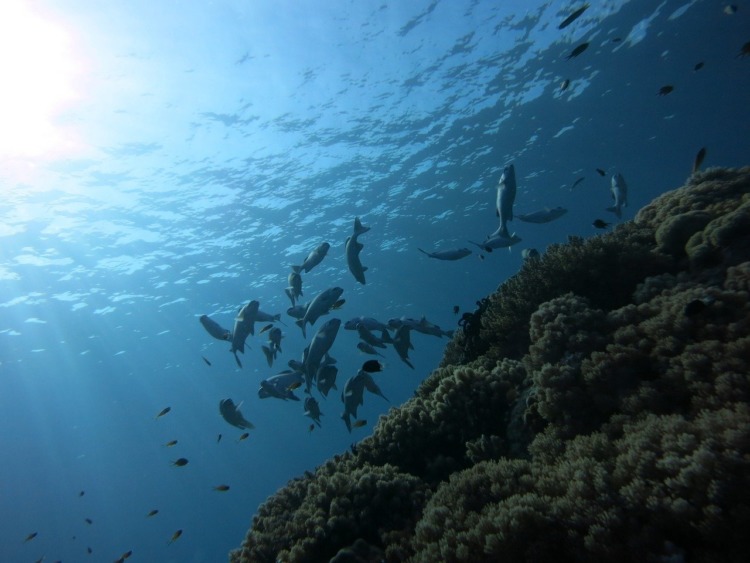
Coral bleaching and mortality are very serious problems for coral reefs. Coral bleaching occurs when corals lose their symbiotic algae, which they depend on to survive. Without the algae, the coral turns white, loses its coloration, and becomes more susceptible to disease.
In addition to these problems, overfishing is another major contributor to the decline of reef health worldwide. Overfishing of large ocean fish and predators can lead to an increase in smaller fish populations (known as “mesopredators”), which tend to feed on plankton-consuming filter feeders such as parrotfish and surgeonfish—keystone species that build up healthy reefs by leaving behind nutrient-rich waste matter after they feed on plankton near coral heads or other rocky surfaces.
The elimination of these keystone species reduces food sources for herbivorous grazers like parrotfish and surgeonfish, who help remove excess algae from corals’ surfaces so that they can receive sunlight better; this allows them access nutrients from photosynthesis without being overwhelmed by algal blooms that could cause bleaching events or even death within days if left untreated properly.
Effects of overfishing on the environment

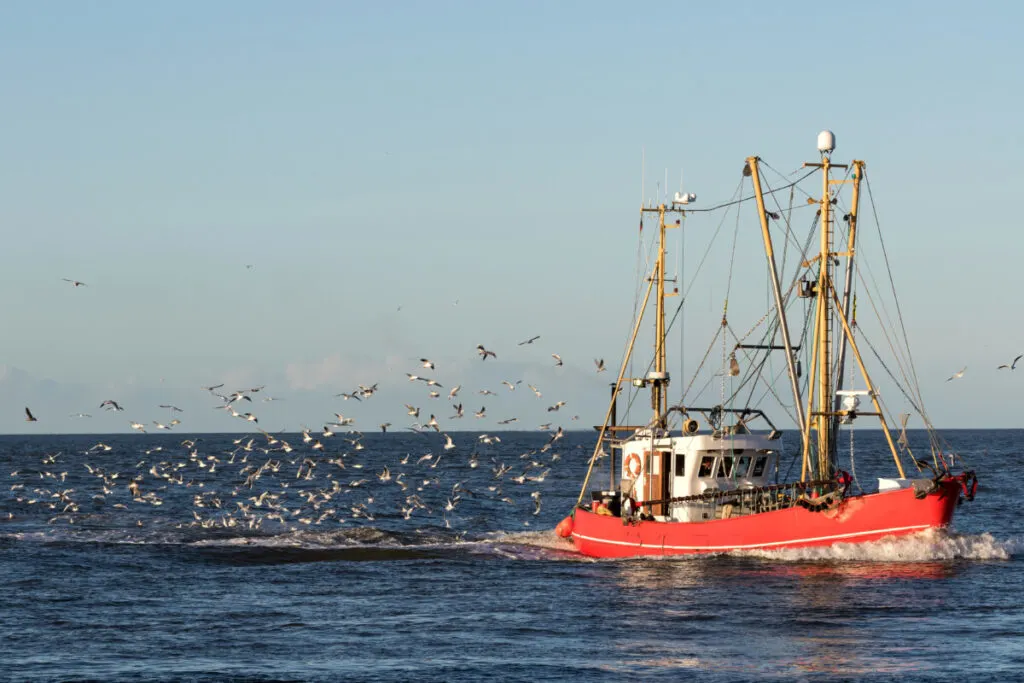
Overfishing can have a disastrous effect on marine life. It can lead to biodiversity loss as well as changes in ecosystem structure and function, which can result in irreversible damage. For example, when predators are caught out of balance with their prey, it may result in an increase in disease or parasites within populations that the fish themselves cannot naturally control.
Over time, this will lead to greater numbers of sick or dying individuals until the population stabilizes at a lower level than it would have otherwise been able to reach under healthy conditions due to predation control.
Effects of overfishing on the economy
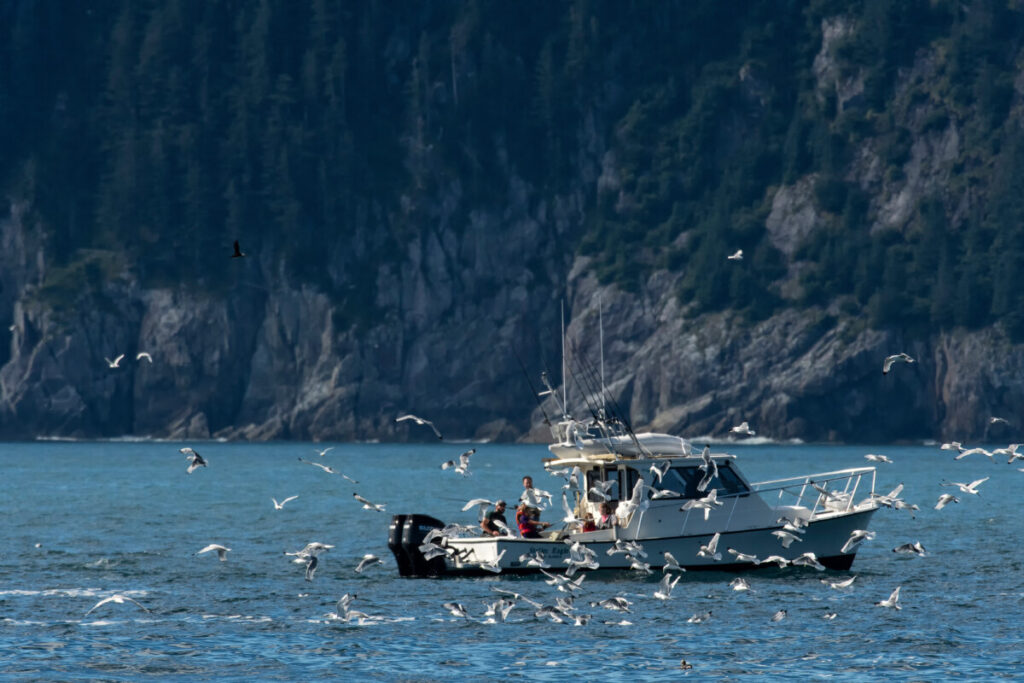
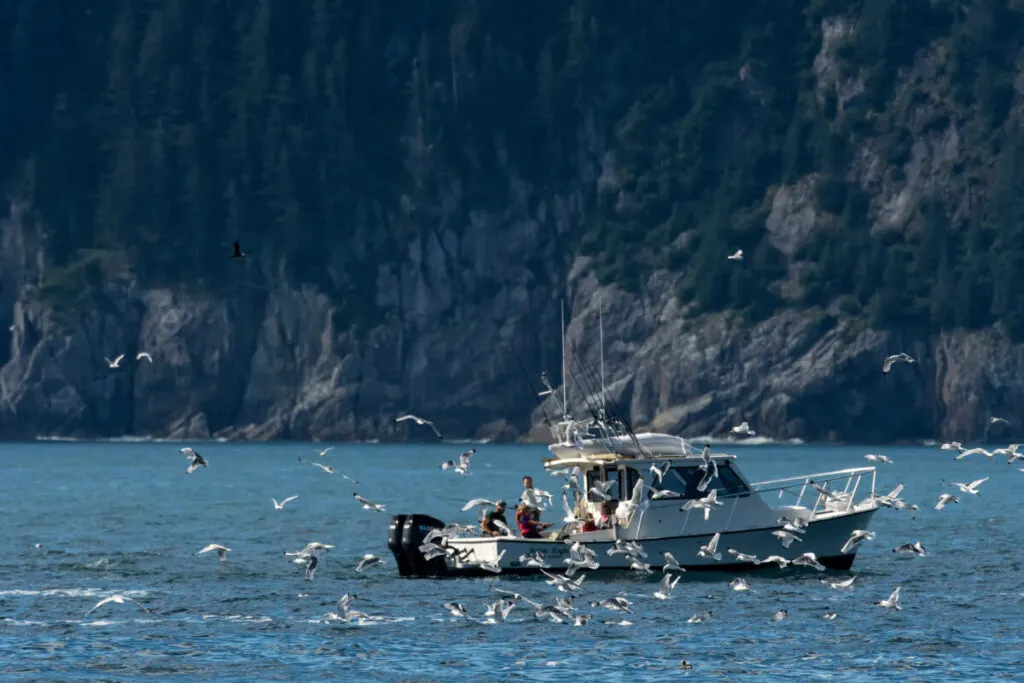
In addition to devastating impacts on marine ecosystems and marine life populations, another major effect of overfishing is its impact on human health and well-being worldwide.
Fish provide more than 15% of animal protein consumed globally each year; therefore, any decline in global fish stocks would significantly affect food security for many people living near coasts who rely heavily upon them for food supply and livelihoods.
In Indonesia alone, approximately 3 million households depend directly upon fisheries resources for their main source of income. These households have suffered significant losses due to declining catches due largely along coastal areas where most commercial fishing takes place.
This decline has led many Indonesian fishermen into deeper waters off-shore where they tend towards using destructive methods such as dynamite fishing, which damages coral reefs, further destroying entire ecosystems, rather than just removing individual species like targeted netting would do efficiently without harming anything else around them!
This fact makes it clear why we need better management practices across industries before we lose everything needed today—including jobs–for survival tomorrow.
See Related: Different Overfishing Solutions for Conservation
How to Prevent Overfishing
To prevent it, you can adopt any of these measures:
- Limit the number of fish caught. This is the most effective way to ensure sustainability, but also the most difficult. It often involves setting quotas and/or catch limits for individual species or regions. For example, in the United States, there is a limit on how much cod can be caught each year.
- Limit when fishing occurs (e.g., by season or time of day). This makes it harder for fishermen to target all species at once because they cannot be out on their boats at night or during winter months when many species are unavailable–this will help preserve animal populations over time and prevent them from being fished out prematurely due to overharvesting practices such as bottom trawling. In addition, having restrictions on which areas are accessible during what times might make it easier for anglers and scientists alike because they’ll know exactly where everything is going down so they don’t have any surprises when they go back later.
Interestingly, some of the most effective methods seem to be the most difficult to implement. It is important to remember, however, that overfishing is a problem not only for the fish but also for humans. We rely on fish for food and jobs, and if we don’t do something to stop it, we will eventually lose both.
Overfishing is a major problem that threatens our oceans. As the world’s population grows and more people can afford seafood, fish stocks are rapidly depleting. The impact of overfishing goes far beyond just hurting our ability to catch fish – it’s also harming marine ecosystems by reducing biodiversity and disrupting food chains. We need better policies to prevent it so that future generations can enjoy healthy oceans.
FAQs
Can we stop overfishing?
Overfishing is a problem. It can hurt fish, the ocean, and those who depend on them. One way to stop this is to get rid of subsidies. Subsidies are when the government helps pay for things. When the government subsidizes fishing, it often leads to more fishing than is sustainable. This means that there are not enough fish for everyone in the future.
Why is Overfishing a Problem?
Overfishing is a problem because it can have serious effects on the environment and the animals that live in it. When people fish too much, it can decrease the number of fish, which can then impact the food chain. It can also damage the habitats of fish and other animals, leading to the extinction of some species.
Related Articles